
Fresh Beans
Start With Quality Coffee
Dial In
Adjust Grind for Flow
1:2 Guide
Useful Espresso Starting Point
9 Bar
Target Extraction Pressure
HOME BARISTA GUIDE
Start Brewing Better Espresso With Your Breville
This guide covers the core techniques BrewRatio recommends for new home baristas using a Breville espresso machine, with practical starting points that you can adjust as you gain experience.
Start With Freshly Roasted Coffee
As a practical starting point, BrewRatio recommends using freshly roasted coffee beans and consuming them within roughly 4–21 days from the roast date. Pre-ground coffee is less suitable for espresso because it loses aroma and freshness quickly after grinding.
Store beans in an airtight container in a cool, dark place and grind only what you need for each shot.
Shop fresh coffee beans →
Adjust Grind Size for the Coffee You Are Using
Slow, Bitter Extraction
If the grind is too fine, water may struggle to pass through the puck. This can result in an overly slow extraction and a darker, more bitter cup.
Fast, Weak Extraction
If the grind is too coarse, water can flow through too quickly, often producing a thinner and less developed espresso.
Use Dose and Yield as Your Starting Point

- Single ShotAbout 10g coffee → around 20ml espresso
- Double ShotAbout 18g coffee → around 36ml espresso
- Extraction TimeAbout 25–35 seconds as a starting range
Once your shots are consistent, adjust the ratio and grind to suit the coffee and your own taste.
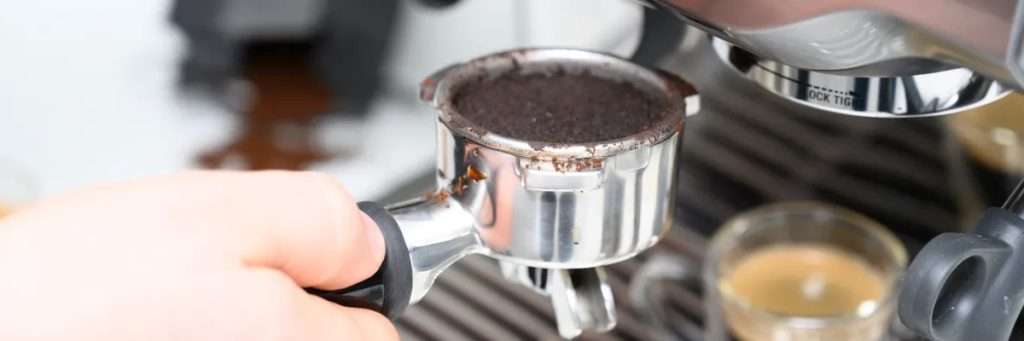
Tamp Firmly and Consistently
The goal is consistency rather than chasing one exact tamping force. Use the same preparation method from shot to shot so grind size and brew ratio are easier to evaluate.
Keep the Coffee Bed Level
Level Before Tamping
Distribute the coffee as evenly as possible before applying the final tamp.
Use the Right Tool
If the supplied tamper is difficult to use consistently, a properly sized tamper or levelling tool can make preparation easier.
Use the Pressure Gauge as a Diagnostic Tool

For espresso, approximately 9 bar is a widely used target pressure. Treat the gauge as one part of the picture rather than the only measure of a good shot—taste, flow, dose, yield and extraction time still matter.
Learn about BrewRatio’s 9 Bar Extraction Mod →
What to Adjust When Your Espresso Tastes Wrong
Try a Finer Grind
If the shot runs too quickly and tastes sour or thin, a finer grind is a sensible first adjustment.
Try a Coarser Grind
If the shot runs too slowly and tastes overly bitter, move slightly coarser and test again.
Check Dose and Tamping
Use a repeatable dose, keep the puck level and tamp consistently so you are changing one variable at a time.

Keep the filter basket clean after each extraction. Dispose of used coffee grounds in household waste or a knock box rather than washing them down the sink.
View BrewRatio Knock Box →
ADVANCED TIP
Adjust the Upper Burr When the Normal Grind Range Is Not Enough

Make only one adjustment at a time. After changing the upper burr, continue dialing in with the normal grind-size control until you reach a suitable extraction for the coffee you are using.
Important
Upper-burr adjustment applies only to Breville grinders that are designed with an adjustable upper burr. Follow the instructions for your exact grinder or espresso-machine model.

