
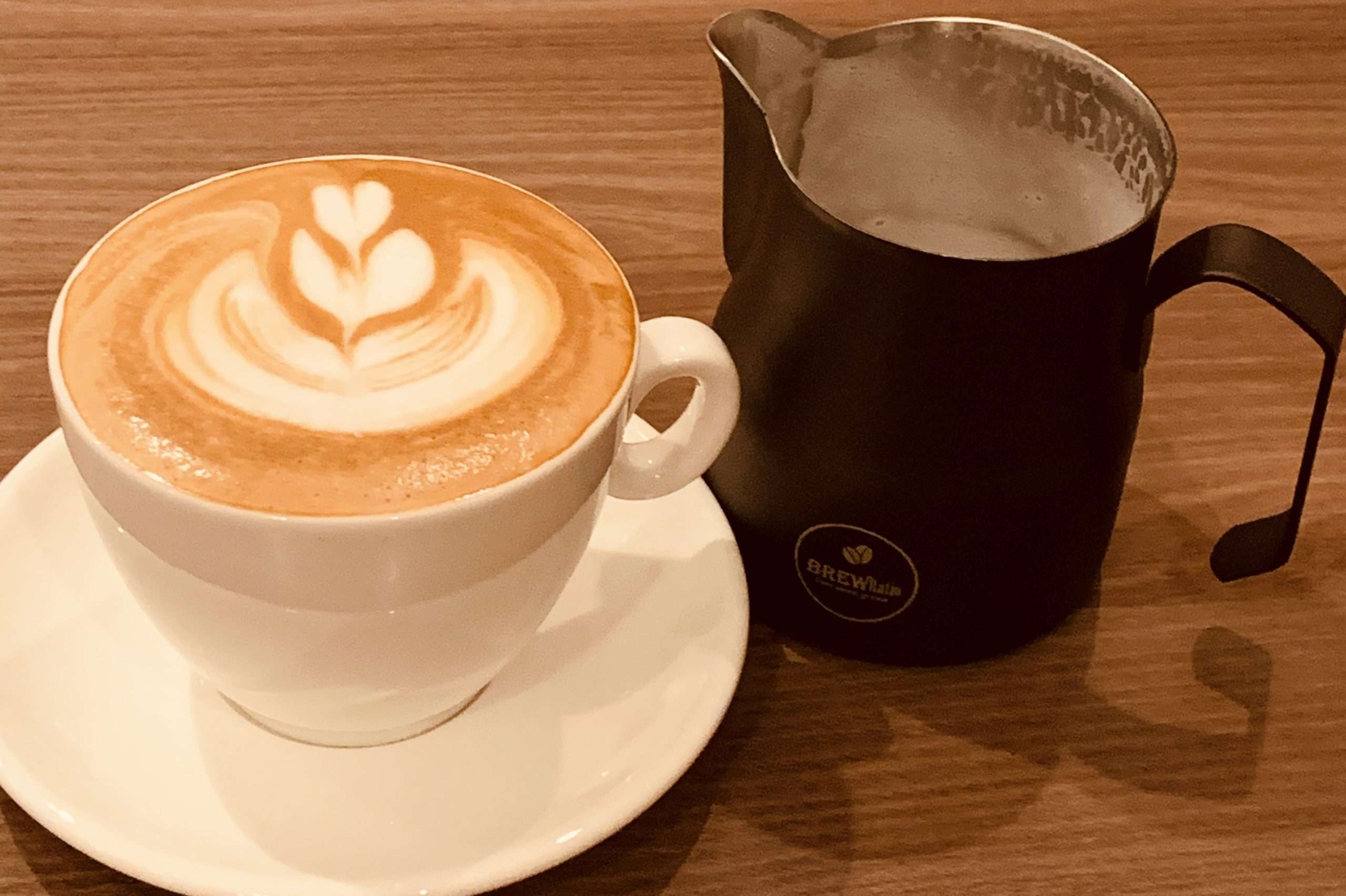
Milk Pitcher – The Feed to a Superb Milk Froth
Whenever we talk about milk froth, the image that springs up in the mind immediately will be smooth, creamy-textured milk. In espresso making context, one will also definitely think of the steam wand of the espresso machine itself.
Indeed, our BREVILLE espresso machines come with steam wands that render beautiful, consistent milk froth results. Besides the ability of the machine’s steam wand to produce a gradual creation of superb microfoam, there are other crucial supporting tools that help in the process of milk frothing. And one of them is the receptable of milk itself – the milk pitcher.
For a start, if you are deciding on which type of milk jug to use, here are some pointers which may facilitate your decision:
Size
This depends on how much coffee you are going to make at one go. If the coffee is for 1-2 pax / cups simultaneously, a 350ml milk pitcher would suffice. Added advantage of 350ml pitcher – reduces wastage of milk.
Another factor that you would wish to consider regarding the size is the amount of milk you intend to use for your beverage – which is closely related to the above mentioned.
Now you have decided on the size of the pitcher, it is time to pour some milk into this receptacle. For execution of consistent milk steaming, the amount of milk used is crucial. We do not want to overfill the jug with too much milk, neither do we want too little.
If less than expected milk is used, there is lesser surface area for the steam wand to work on for a good aeration and favourable swirling / whirlpool effect. On the contrary, excessive milk in the pitcher will lead to overflowing and splattering of milk when executing steaming.
Hence, the ideal amount of milk would be to pour the milk until it reaches the base of the spout. You could see the base point of the spout at the inner area of the jug during pouring.
Material
The most common material of a pitcher is made of stainless steel. The purpose of using stainless steel is to help maintain consistent temperature while doing milk steaming.
Do remember that when steaming milk to the ideal temperature of 65 ~ 70°C, the pitcher itself will also become slightly hot to hold. In this case, you may wish to consider pitcher with Teflon coating, which will provide slightly more protection to your fingers and hands while holding the jug while frothing.
Shape
For a start, we would recommend a pitcher with a wider body and broader base. The wide and broad shape allow more room for milk aeration. This leads to a whirlpool swirl effect during milk frothing, resulting in smooth, silky, shiny milk with a consistent, creamy texture fit for espresso and its latte art design.
Spout
Regardless the status of being neophytes or professionals, if you are passionate about latte art, then you might want to consider the spout shape structure when buying a pitcher. First, if you are a fanatic of Hearts and Tulips in latte art, which requires pouring and immersing milk blobs into the coffee, the ideal pitcher to use is one with a classic spout.
This allows for milk foam to flow out evenly in a more rounded shape when executing said art. Subsequently, if you are a fan of Rosettas and Slowsetta, pitcher with a narrower, sharper spout will enhance further the final art result. The narrower spouts also mean you have more control when executing the aforesaid designs / patterns.
Whichever type of pitcher you select, it is a fixed structured tool built with the capability to render optimal microfoam. This desired microfoam that you want requires:
- attention on how you hold and adjust the pitcher while executing milk frothing.
- the optimal temperature and time duration while steaming milk.
And while pouring milk into your cup of espresso requires mastery of techniques of below:
- Grip control of the pitcher.
- How high you hold your pitcher while pouring the milk.
- The speed of pouring.
- The pressure (only slightly detectable / felt) when you are finishing off with OR tapering off the milk.
All in all, the decision on which kind of pitcher to use still depends on one’s preference, the desired result each individual expects. For example, for me personally, I favour using smaller pitcher (for my petite hand for a better grip / control). Secondly, although the recommended temperature for milk frothing is about 70°C, I would still prefer to steam the milk to much higher temperature due to the fact that I like hotter milk in my espresso. Furthermore, this results in thicker foam, of which I prefer too.
Hence in milk frothing and even coffee extraction itself, do not fall into the enclosure of getting it “perfect”, because honestly, “perfect” is very subjective and varies from person to person.
In BrewRatio, instead of pursuing “perfect”, consistency and balance are what we are looking for. We also believe in exploring, learning, sharing issues and the joy of customers’ coffee experience. So our recommendation is – If the pitcher feels right and good to your own grip, then it may just be the right one for you. ?

